Slow Travel Japan: Why We Spent 3 Days in Hakone (And Why You Should Too)
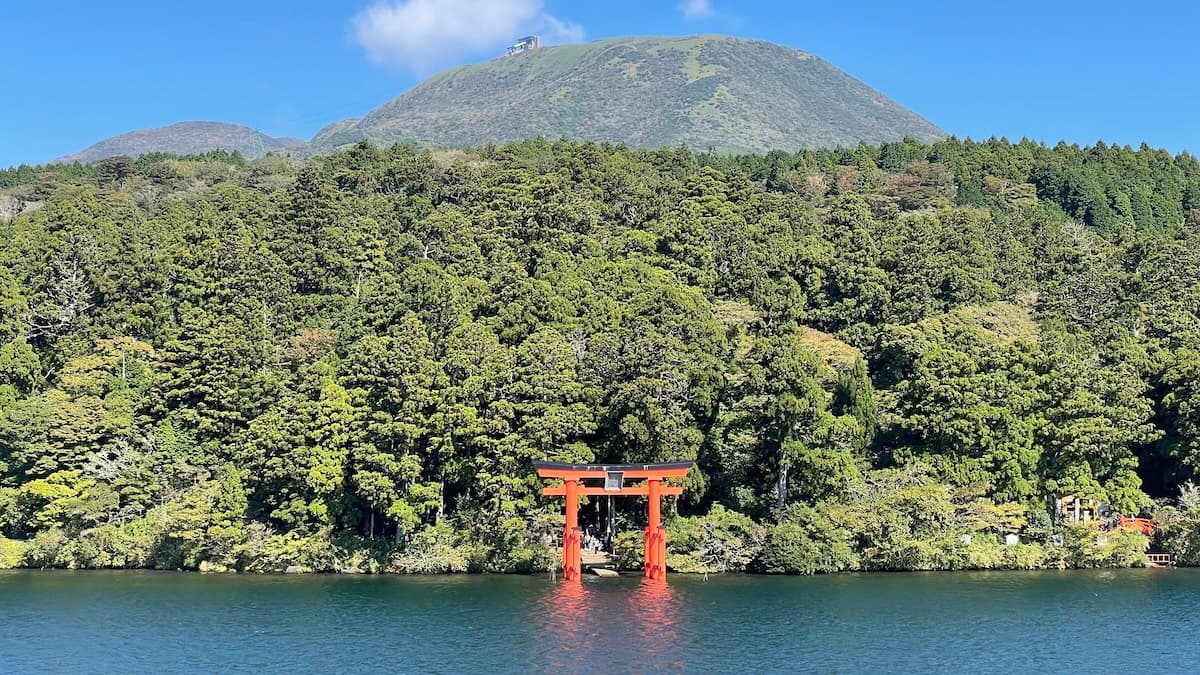
We'd just finished ten days in Tokyo.
Every single day, we walked at least 20,000 steps. The Shibuya Crossing at rush hour. The narrow streets of Asakusa. The endless neighborhoods of Shinjuku. Our legs were sore, our minds were buzzing, and we were exhausted in a way that only comes from constant stimulation.
Then we arrived in Hakone and slept on a tatami mat floor.
And everything changed.
Everyone tells you Hakone is a day trip from Tokyo. One night, two days max. Guidebooks recommend it. Most tourists follow that advice. They rush through the ropeway, snap a photo of Mount Fuji if they're lucky, eat a black egg, and head back to the city. They treat Hakone like another box to check.
We decided to do something different. We stayed three full days, using Hakone as our base while we day-tripped to Mount Fuji and the surrounding areas. No hotel hopping between cities. No checking out early to catch the next train. Just one place to call home, one comfortable bed (well, one comfortable tatami), and the space to actually breathe.
It was the best decision of our entire Japan trip.
Here's what we learned. When you're not racing to check boxes, Hakone reveals itself. Quiet mornings at the open-air museum before the tour buses arrive. That perfect afternoon soak at a private onsen, knowing you have nowhere to be. Those peaceful evenings when you're not already thinking about tomorrow's checkout.
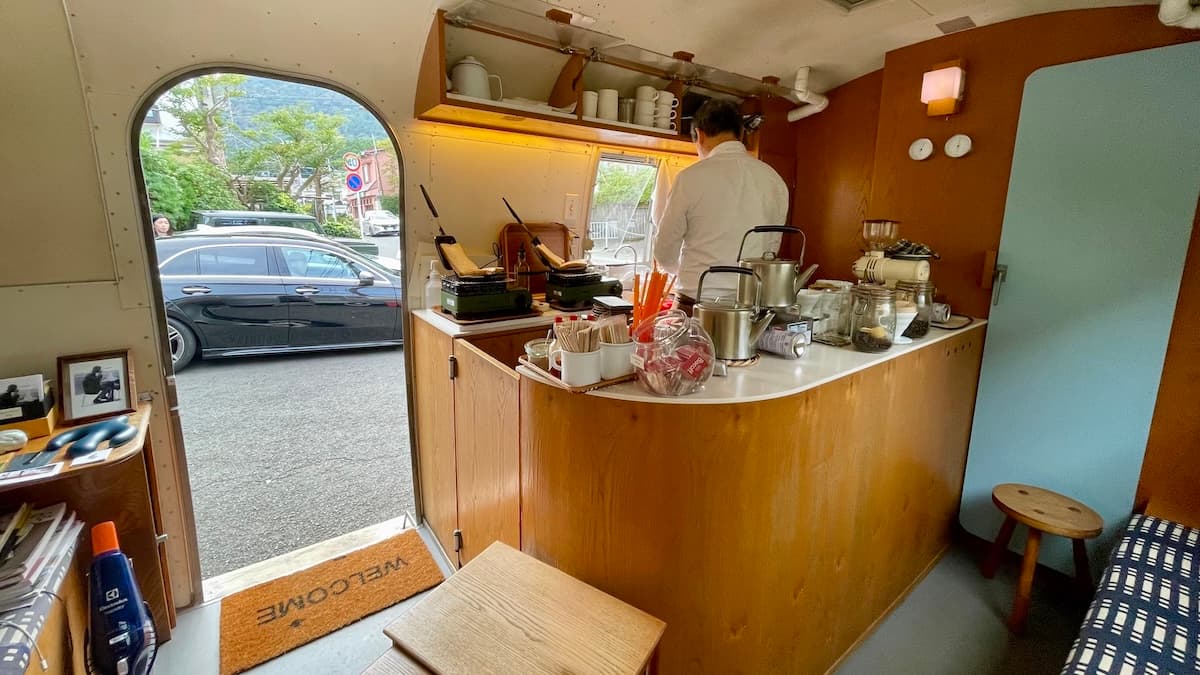
And the person who made it feel like home? A guy who opened a coffee bar in a remodeled car trailer, who spoke perfect English from traveling the world in his younger years, and who became part of our daily routine in Hakone.
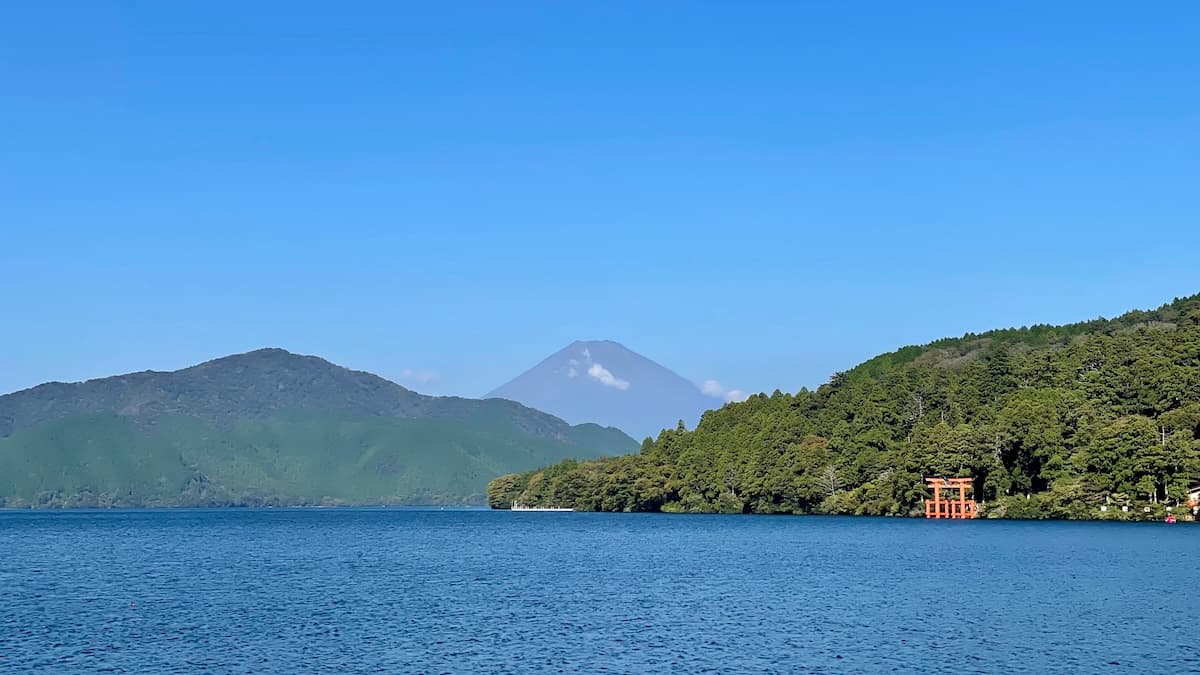
Getting There and Getting Around
We left our Tokyo hotel at 7 AM on day one, still half-asleep. The route is straightforward enough: Hanzomon Line plus Chiyoda Line to Yoyogi-Uehara (¥260), then the Odakyu Line to Odawara (¥850). This route dodges the crushing crowds at Shinjuku Station during rush hour, which was a smart move. From Odawara, we transferred to the Hakonetozan Line to Gora Station, where we'd be staying.
That train ride to Gora was unforgettable. The mountain railway climbs at a constant 5-8% angle the entire way up. No sharp turns. Instead, the track zigzags back and forth all the way to the top, winding through the mountains in this hypnotic pattern. You feel every meter of elevation. It's the kind of engineering detail that makes you appreciate why Japanese trains are so reliable. Total travel time was around 120 minutes.
One thing nobody tells you? Public transport stops running around 8 PM. We learned this the hard way when we tried to catch a bus back after dinner one evening and ended up walking back instead. Plan your evenings accordingly, or you'll end up paying for a taxi that costs more than your meal.
The Hakone Free Pass and the Bus Situation
We bought the Hakone Free Pass for 3 days at 6,400 yen per person. It covers everything. Trains, buses, boats, cablecars, ropeways. Discounted entry to attractions too. Sounds simple. Then you get to the bus station.
The schedules are in Japanese. The timetables are confusing. During peak season, buses fill up and leave without you if you're not there early. We quickly learned to download Google Translate's camera function because there's no way around those Japanese-only schedules.
Here's what actually works. Ask the locals for help. Seriously. Even if you have to use Google Translate to communicate, Japanese people will stop what they're doing and help you figure it out. They'll take time out of their schedule. They'll point you to the right bus. They'll make sure you know which stop is yours. It's a cultural thing. Being helpful is just what they do. Don't be afraid to ask.
One thing about the Lake Ashi sightseeing cruise. It's included in the pass, but you need a physical ticket to actually board. The boats are pirate-style ships with incredible mountain views, worth the ride even if Mount Fuji stays hidden behind clouds.
Where We Stayed
We based ourselves at Irori Guest House TENMAKU in Gora. Simple, clean, perfectly positioned. The traditional Japanese feel without the luxury price tag. Walking distance to Gora Station and close to most attractions.
The Bar Owner (Our Daily Ritual)
But the real gem was separate from the ryokan. In the parking area, a guy had remodeled a car trailer into a perfect little coffee and tea bar. He spoke English perfectly from all his years traveling abroad for business. The trailer had nice sitting arrangements where you could relax with your drink.
We'd visit the trailer bar regularly, grabbing one of his coffees or matcha teas and chatting for a few minutes whenever we had time. By day three, it felt like we'd known him for weeks.
On our last morning, we told him we had to leave early around 7 AM. He asked what time we were heading to the station, and we told him 7. The next morning, he was there waiting with the bar already open when we arrived, even though he normally doesn't open until 9. We had our last coffee in his trailer, said goodbye, and left feeling like we'd actually connected with someone. That's what slowing down does. You get those moments.
Booking Your Onsen
Book this in advance. Two weeks ahead if possible, especially in peak season. Spots fill up fast.
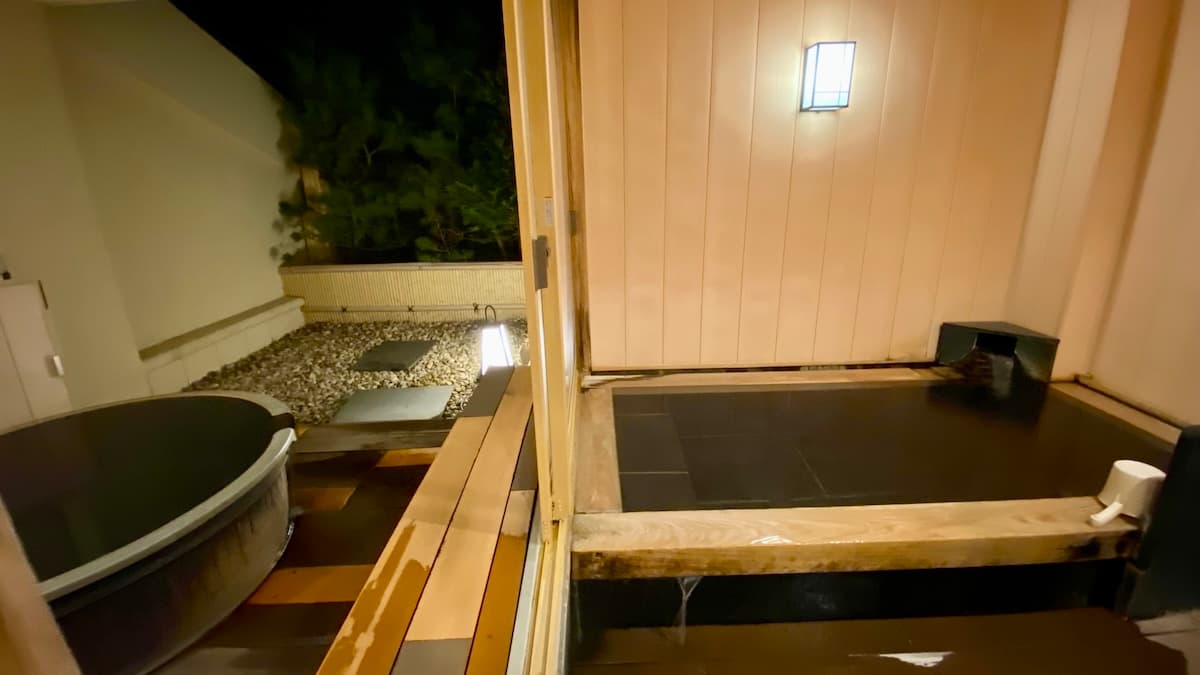
Here's the thing about onsens in Hakone. Since this is literally the onsen capital of Japan, you have options. Public onsens are separated by gender. Private ones give you your own space. Some cater to specific preferences. Tattoos are a sensitive cultural topic in Japan. Many traditional onsens don't allow them. We needed a tattoo-friendly option.
We chose SPA Hakone Kowakien Yunessun, which allowed tattoos and had both indoor and outdoor pools. Around ¥7,000 for two hours. After a long day of exploring, soaking in that hot spring felt like a reset button for your entire body.
The Ryokan Experience
We stayed in a private room at the Irori Guest House, which is technically a ryokan (not a hotel). Our room was equipped with tatami flooring, and they provided everything we needed, including high-quality bedding and pillows. Those pillows are actually really good, firm but comfortable. The traditional setup means no bed frame, just you and the tatami mat in your private room.
If you want dinner, it's an extra cost on top of your stay. The way it works is simple but genius. If there are only two of you, they invite more guests to join and everyone grills their own food together over the irori, that traditional communal hearth. It's the kind of experience that rewards you for staying longer.

The Highlights (3 Experiences That Made Our 3 Days Perfect)
1. Hakone Open-Air Museum at Your Own Pace
Most people rush through the Hakone Open-Air Museum in an hour. We spent two full hours here, and we could have stayed longer. This unique museum showcases contemporary sculptures in a beautiful landscape where art installations blend seamlessly with nature.
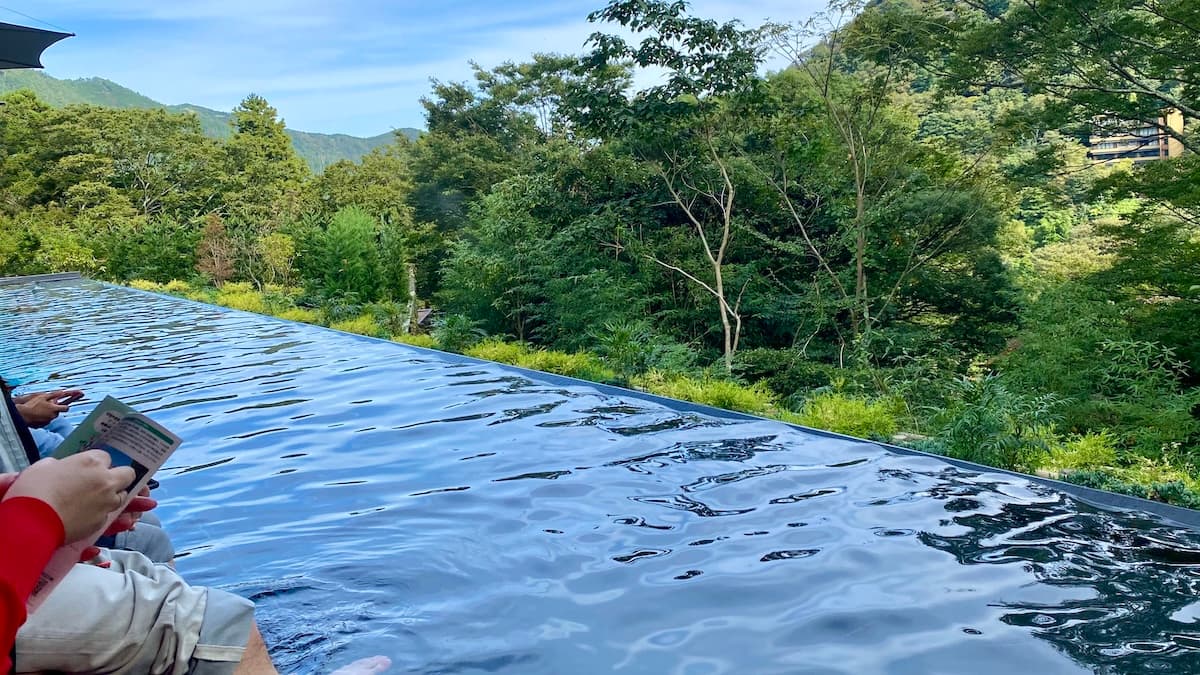
The museum is designed for wandering. You'll find yourself walking from a massive Picasso collection inside to towering outdoor sculptures against mountain backdrops. There's a foot bath where you can soak your feet while admiring the art, and a children's area that's honestly fun for adults too.
We visited in the afternoon, and it was the perfect time. The morning tour groups had moved on, and we had long stretches where we were almost alone. By late afternoon, the light was getting that golden quality that makes every sculpture look even better.
2. Day Trip to Oshino Hakkai and Mount Fuji
This is where our three-day strategy paid off. On day two, we used Hakone as our base and day-tripped to Mount Fuji area. We caught the first bus at 7 AM from Hakone Open-Air Museum to Gotemba (45 minutes), then took the Fujikyu Bus from Gotemba to Oshino Hakkai (50 minutes).
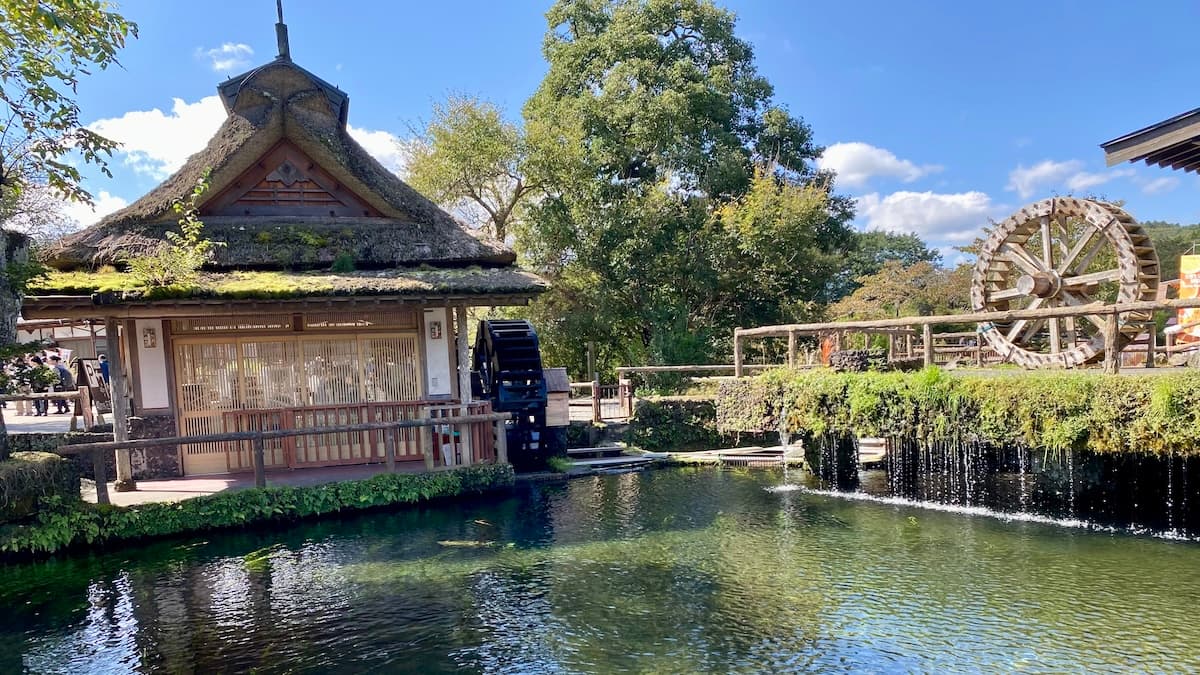
Oshino Hakkai is a village between Lake Kawaguchiko and Lake Yamanakako. It was the site of a sixth lake that dried out centuries ago, and now eight crystal-clear ponds remain. The water comes from melted snow on Mount Fuji, and it's some of the clearest water you'll ever see. Traditional Japanese buildings surround the ponds, creating picture-perfect scenes at every turn.
We spent about an hour here, walking between the ponds, trying the local treats, and taking way too many photos. It's touristy, yes, but it's also genuinely beautiful.
From Oshino Hakkai, we continued to Fuji-Q Highland park. The park itself is free to enter, but rides cost extra. We weren't there for the roller coasters though. Inside the park, there's Naruto Hidden Village, which was a fun surprise. We spent a couple hours exploring before moving on.
3. Chureito Pagoda (The Mount Fuji Photo Spot)
From Fuji-Q Highland, we took the Fujikyu Bus to Shimoyoshida Station (¥230, 10 minutes), then walked to Chureito Pagoda. This is one of Japan's most iconic photo spots, and for good reason.
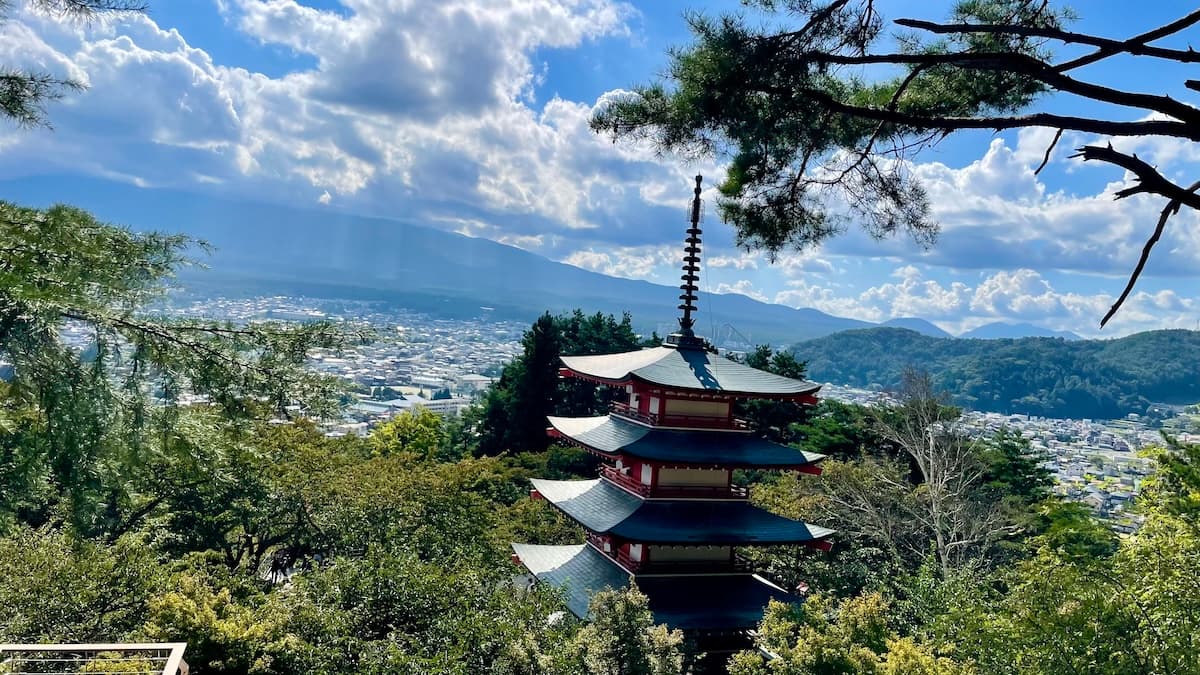
The pagoda sits on a hillside, and to reach it you need to climb about 400 steps over a 20-minute hike. It's steep, but the view from the top is worth every step. On a clear day, you get Mount Fuji perfectly framed behind the pagoda, creating that postcard-perfect shot you've seen everywhere.
The day we visited, Mount Fuji was partially hidden behind clouds, but we still got some great photos. Even with clouds, the pagoda and the view over the town below are stunning. Plan for about an hour here, longer if Mount Fuji is fully visible and you want to wait for the perfect light.
The Full 3-Day Plan (Without the Hotel Hopping)
Here's what makes our approach different. Instead of checking into a new hotel each night, we kept one base in Hakone and explored everything from Mount Fuji to the volcanic valleys on day trips. No packing and unpacking. No rushing to check out. Just three days of relaxed exploration.
We've organized every bus route, every timing, every connection. Want to hit Hakone Shrine at 8 AM before the crowds? It's timed. Need to catch that early bus to Mount Fuji? The itinerary sequences everything so you're always moving efficiently, avoiding crowds, and making the most of your Hakone Free Pass.
Why Three Days Works (The Contrarian Strategy)
After ten days of Tokyo's constant stimulation, three days in Hakone felt like coming up for air.
Most people spend one night here. They rush through the main attractions, snap photos, and leave feeling like they've checked a box. They never get to the good part. We spent three days, and here's what we realized.
First, you avoid hotel-hopping fatigue. One base means you can actually relax in a way that matters. Leave your luggage at the ryokan, explore during the day, come back to the same tatami mat at night. No packing and unpacking. No racing to checkout. Just consistency.
Second, you can day-trip to Mount Fuji and surrounding areas without the stress of changing hotels. We visited Oshino Hakkai, Fuji-Q Highland, and Chureito Pagoda, all while keeping Hakone as our home base. The logistics were straightforward, and we never felt rushed.
Third, you get to experience Hakone at different times of day. Early mornings when it's peaceful. Those afternoons at the onsen when you need to unwind. Those evenings when the day-trippers have left and the area feels quieter.
But here's the real reason three days matters. One evening at the ryokan, we had dinner built into our stay. The way it works is genius. If there are only two of you, they invite more people to join and everyone grills their own food together over the irori, that traditional communal hearth. We ended up sharing the meal with strangers, all of us cooking fish and vegetables, talking about our trips, laughing at the difficulty of using chopsticks correctly. That meal turned into an entire evening. We wouldn't have had that if we'd rushed out after one night.
We also spent two full hours at the Open-Air Museum together instead of rushing through in 60 minutes. We lingered at the onsen instead of checking our watch. We visited the trailer bar whenever we could between exploring. We played Uno with new friends until we were laughing so hard we couldn't breathe.
Three days in Hakone isn't about seeing more. It's about actually connecting. To the place, to the people, to each other. That's what slow travel means.
The Fine Print
Transport stops early. Most public transport stops around 8 PM. Plan your dinners and evening activities accordingly. We learned this the hard way when we tried to catch a bus back after 8 PM and ended up walking to our accommodation.
Timetables are in Japanese. Download a translation app that works with your camera. Google Translate's camera function saved us multiple times when trying to read bus schedules.
Leave early during peak season. Buses fill up fast. If you want a seat, aim for the first or second bus of the day. We always tried to be at the bus stop by 7 AM.
Don't wait for the last bus. The last bus of the day can be completely full, leaving you stranded. Always aim for the second-to-last bus to give yourself a buffer.
Restaurants close early here. Hakone is rural. Don't be surprised if a restaurant closes for personal reasons, holidays, or runs out of stock before dinner service ends. Have a backup plan or eat earlier than you might expect. It's just how it works in small Japanese towns.
Book onsen experiences in advance. Popular spots fill up weeks ahead, especially during peak season. Research what type of experience you want (private, public, tattoo-friendly) and book early.
Hakone rewards those who slow down. Skip the one-night sprint. Stay three days, use Hakone as your base, and actually experience what makes this area special.
And when you're sitting in that coffee trailer on your last morning, having one final coffee with the bar owner who opened early just for you, watching the sun come up over the valley, you'll understand why three days was exactly the right call.

 Trip Template
Hakone
View this trip to see the full itinerary, activities, and packing list.
View & Save to Your Trips